
Oocyte Cryopreservation
Home / Services / Oocyte Cryopreservation
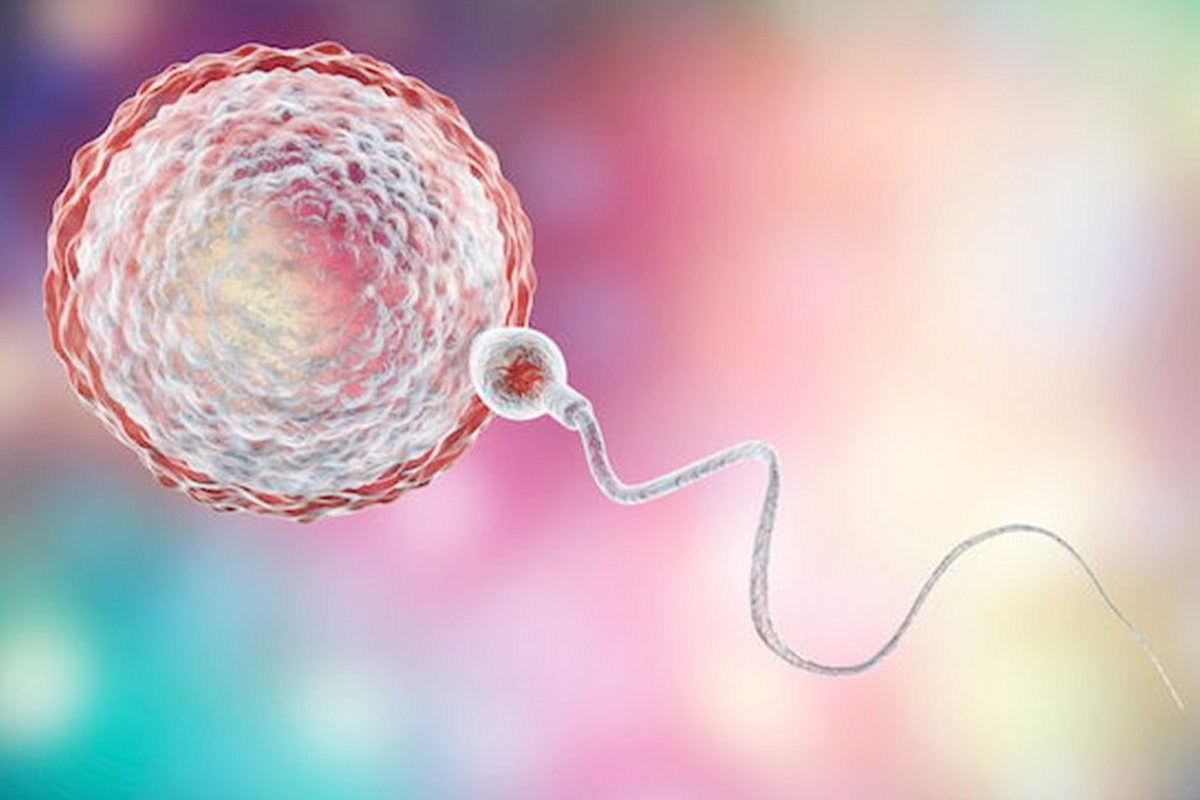
Unlike men, a woman’s reproductive life is limited by age. If she decides to postpone pregnancy due to personal, professional, or medical reasons, oocyte banking can be a life-changing option. This advanced technology allows women to preserve their eggs and secure their fertility for the future. Many women have benefited from this procedure, including Miss World Diana Hayden, who openly shared her journey of egg freezing.
Who Should OPT For Egg Freezing
- Cancer Treatment and Fertility Preservation
Women undergoing chemotherapy or radiotherapy risk losing fertility, as these treatments can damage ovaries and oocytes. With over 50,000 reproductive-age women diagnosed with cancer each year in the US—and more in India—egg freezing provides an opportunity to preserve eggs for future pregnancy.
- Early Menopause and Genetic Conditions
Women with a family history of early menopause, Turner’s syndrome (a chromosomal abnormality linked with ovarian failure), or genetic mutations that reduce ovarian reserve may benefit from egg freezing. In such cases, preserving eggs early can be the last option to secure fertility.
- Premenopause Transition
During premenopause, ovarian function begins to decline as estrogen and progesterone levels drop, while LH and FSH levels rise. Freezing eggs before this transition ensures that a woman retains the possibility of having biological children later.
- Freedom from biological clock
Today’s women are redefining what it means to build a life. They are pursuing education with determination, leading in their careers, and carving paths that reflect their values—not society’s deadlines or feeling rushed due to biological timeline. This choice is not about pressure or fear—it’s about empowerment. Knowing that motherhood can still be possible when the time feels right
Choosing to focus on personal growth and professional success is an act of courage, not delay. By preserving healthier eggs earlier in life, women give themselves options—options rooted in hope, not fear. This is about owning your timeline.
Egg freezing offers a sense of reassurance during this journey. For many, egg freezing represents control, hope, and the right to define success and family on their own terms.
Personalized Care for Every Patient
We provide individualized care,
tailoring each treatment plan to meet the unique needs of every patient.
Compassionate Solutions Tailored
Our compassionate approach ensures
patients receive holistic support at every step of their journey.

Steps of Egg Freezing
STEP 1: CONSULTATION
Before beginning the egg-freezing process, counselling of patient is done and screening blood test is advised like AMH (anti mullerian hormone) and viral markers (HIV, HBSAG, HCV, VDRL).
STEP 2: STIMULATION
During a normal menstrual cycle only one follicle is produced by ovaries but since we want to preserve as many eggs as possible. Ovaries are stimulated with injections (gonadotrophins) to produce multiple eggs. These are used in conjunction with drugs like antagonist for proper regulation of the cycle.
STEP 3: FOLLICULAR STUDY
These scans are done regularly to assess follicular development. The size of the follicles indicates the degree of egg maturity, usually 10-15 follicles will develops in the ovaries during standard stimulation protocol.
STEP 4: EGG RETRIEVAL
All instructions before egg retrieval are given on the day a woman receives the trigger injection (usually a GnRH agonist). The injection is given in the evening, and retrieval is scheduled 34–36 hours later. Under anesthesia, ovarian follicles are aspirated in the OT using a transvaginal ultrasound-guided needle. The fluid-filled follicles are collected in test tubes and handed over to the embryologist for egg identification.
STEP 5: EGG FREEZING
The embryologist locates the Egg and places them into culture media and then into the incubator. After the procedure the women will have to rest in hospital for 3-4 hours. It is a day care procedure.
Success Rates
The current evidence suggests that there is 70% chance of a live birth following cryopreservation of > 20 M II oocytes (mature eggs) at < 38 years of age. Best live-birth outcomes when oocytes are frozen before 35 years of age. Noticeable decline in success when freezing occurs after 38 years.
Risks
The main risks of egg freezing include mild vaginal or uterine bleeding during the retrieval procedure and the possibility of Ovarian Hyperstimulation Syndrome (OHSS) due to fertility medications. However, with modern protocols that avoid using HCG for final maturation, OHSS can now be completely prevented, making the procedure much safer.