
Intrauterine Insemination
Home / Services / Intrauterine Insemination
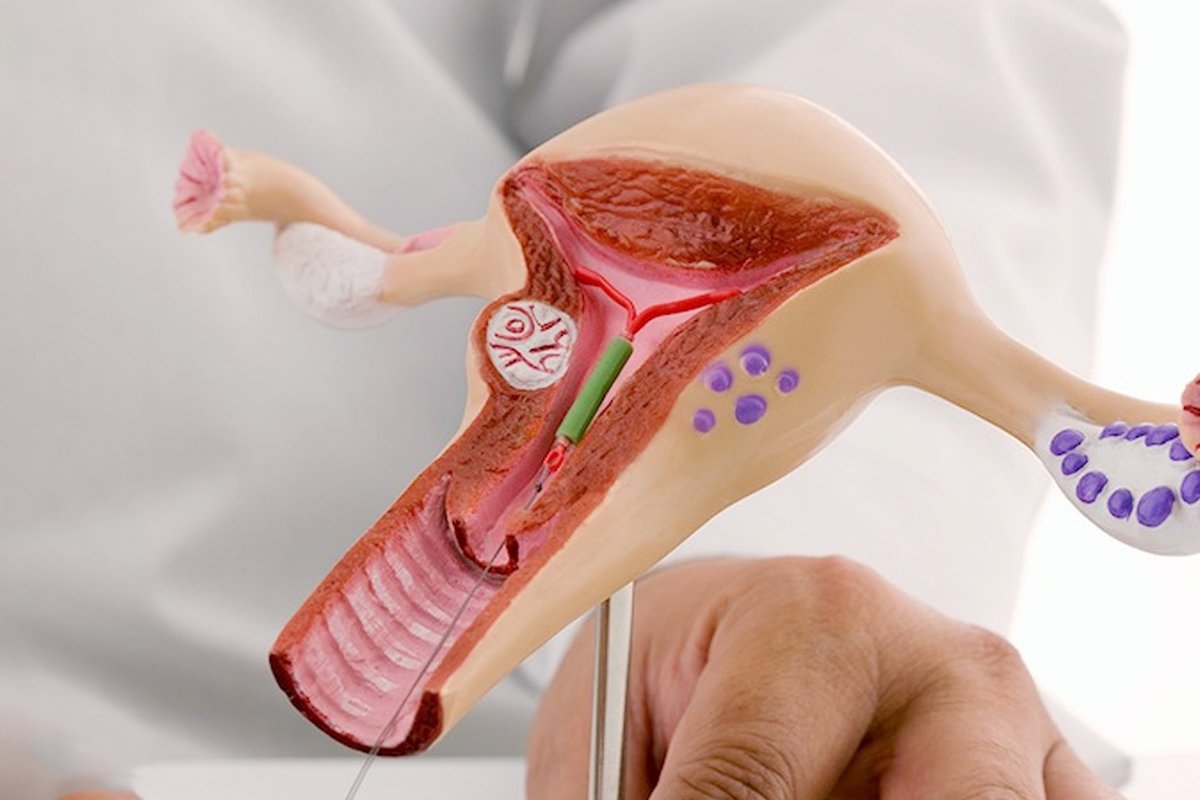
IUI, or artificial insemination, is a simple, cost-effective first-line infertility treatment. Healthy, motile sperm are prepared in the lab and placed directly into the uterus near ovulation to improve fertilization chances. The procedure is quick, usually painless, and takes 5–7 minutes. It can be repeated safely over 3–4 cycles if needed.
Prerequisites for IUI
IUI works best when the woman is under 35 and can ovulate naturally or with medication. At least one healthy fallopian tube is required. The procedure is also suitable for cases of cervical issues, unexplained infertility, or male ejaculatory problems. Sperm quality is important, with a pre-wash count above 10 million/ml or a post-wash motile count of at least 5 million, and motility over 40%.
Personalized Care for Every Patient
We provide individualized care,
tailoring each treatment plan to meet the unique needs of every patient.
Compassionate Solutions Tailored
Our compassionate approach ensures
patients receive holistic support at every step of their journey.

Steps in Intrauterine Insemination (IUI)
The IUI procedure involves several carefully monitored steps to ensure the best outcomes. It starts with patient evaluation and selection, followed by ovarian stimulation and monitoring of follicular growth and endometrial development. Prepared sperm is then inseminated into the uterus at the optimal time around ovulation. After the procedure, hormonal support may be provided, and pregnancy is confirmed through testing.
How IUI is Done
IUI is performed around ovulation, identified through ultrasound (TVS) or an ovulation kit. The prepared sperm sample is placed into the uterus just before or after the egg is released. The procedure is quick, usually painless, though some women may experience mild cramps. A short rest of 15–20 minutes is advised before leaving the clinic.
When is IUI Used?
IUI is recommended in cases of mild male infertility (slightly low sperm count), use of donor sperm, cervical mucus issues, unexplained infertility, or when marriage has not been consummated due to female factors or male conditions like erectile or ejaculatory disorders.
Contraindications Of IUI
IUI is not suitable in certain conditions such as blocked bilateral fallopian tubes, very poor or absent sperm count, severe endometriosis (Grade III–IV), or when the woman’s age is above 40 years. In such cases, advanced fertility treatments like IVF or ICSI are generally recommended for better chances of success.
Success Rate Of IUI
The success rate of IUI largely depends on the woman’s age at the time of treatment. For women aged 36 years or younger, the clinical pregnancy rate is approximately 15–20% per treatment cycle.