
INTRACYTOPLASMIC SPERM INJECTION

Home / Services / ICSI
Curious About IVF? Let's Talk.

What is ICSI?

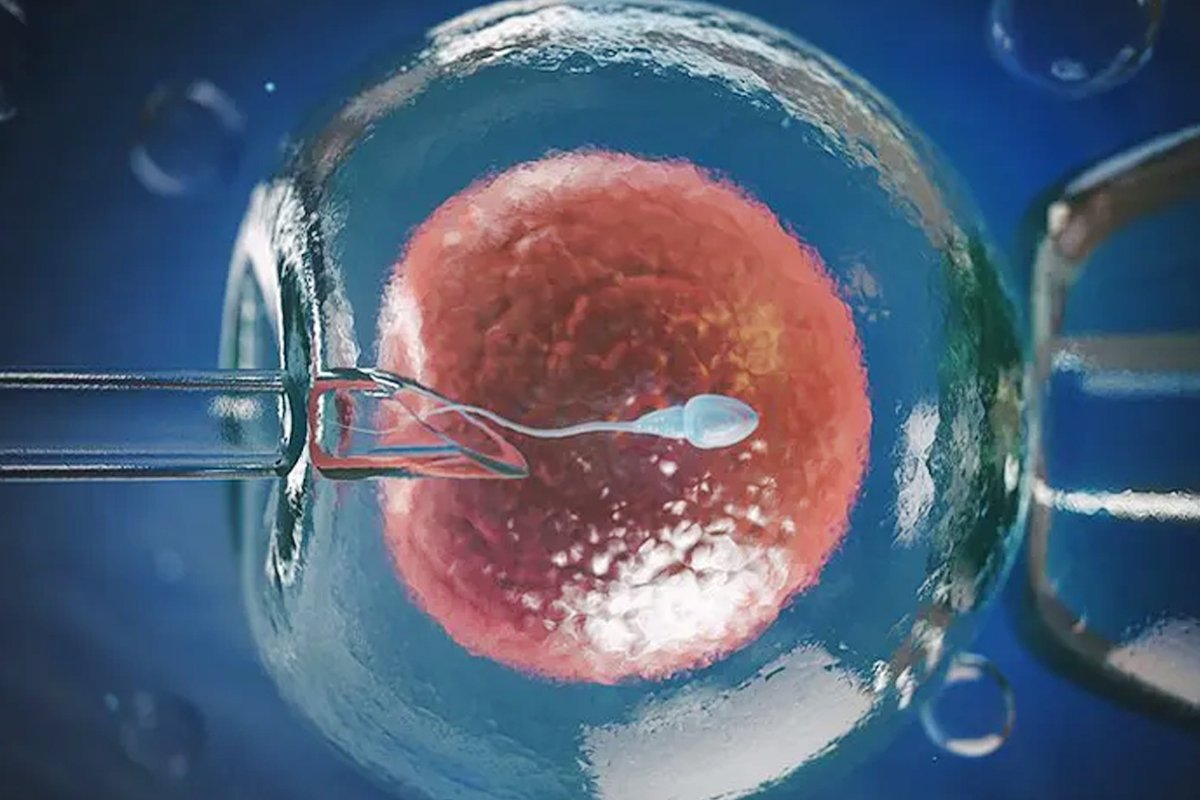
ICSI, or Intracytoplasmic Sperm Injection, is an advanced fertility treatment used during IVF. It involves injecting a single healthy sperm directly into a mature egg to facilitate fertilization. This method is particularly beneficial in cases of unexplained and male factor infertility

Benefits of ICSI?

ICSI is recommended for couples facing:

  • Low sperm count or poor sperm motility
  • Abnormal sperm shape (morphology)
  • Unexplained Infertility
  • Fertilization failure in previous IVF cycle

    Personalized Care for Every Patient

    We provide individualized care,
    tailoring each treatment plan to meet the unique needs of every patient.

    Compassionate Solutions Tailored

    Our compassionate approach ensures
    patients receive holistic support at every step of their journey.

    Family Care

    How Is ICSI Performed?

    1. Eggs are retrieved from the female partner following ovarian stimulation.
    2. A single sperm is selected and injected into each egg using a specialized microscope and micro-needle.
    3. Fertilized eggs are monitored in the lab for growth and development before being transferred to the uterus.

    Success Rates

    ICSI success depends on multiple factors, including the woman’s age, egg quality, and sperm health. When performed by experienced specialists, ICSI has a high fertilization success rate and improves the chances of pregnancy in challenging cases.

      Safety and Considerations

      ICSI is a safe and widely practiced procedure. Minor risks like egg damage, multiple pregnancies, or rare genetic issues can occur, but careful handling and monitoring by fertility experts minimize complications. Studies show that children born through ICSI are generally healthy and develop normally.

        1. What exactly is ICSI and when is it recommended?
        ICSI (Intracytoplasmic Sperm Injection) is an advanced form of IVF where a single healthy sperm is directly injected into a mature egg to achieve fertilization. It is recommended in cases of severe male infertility, poor sperm quality, low sperm count, previous IVF failures, or when using frozen or surgically retrieved sperm.
        2. How is ICSI different from conventional IVF?
        In IVF, thousands of sperm are placed with each egg in a lab dish, allowing natural fertilization to occur. In ICSI, embryologists manually select a single sperm and inject it directly into the egg, ensuring fertilization even when sperm parameters are very weak. This makes ICSI particularly useful for male-factor infertility.
        3. What are the chances of success with ICSI?
        ICSI provides high fertilization rates, with 70–80% of injected eggs typically fertilizing. However, the overall success in achieving pregnancy depends on multiple factors such as the woman’s age, egg quality, and the health of the uterus, not just the ICSI procedure itself.
        4. Does ICSI carry any additional risks compared to IVF?
        ICSI is considered safe and widely practiced worldwide. While the risks are minimal, there is a slightly higher possibility of genetic or chromosomal issues being passed if the sperm used carries abnormalities. This is why fertility specialists often recommend genetic counseling when necessary.
        5. Can ICSI be used with frozen or surgically retrieved sperm?
        Yes. One of the advantages of ICSI is that it can successfully use sperm retrieved surgically (Obstructive Azoospermia) or thawed from Frozen semen sample. This flexibility makes ICSI a preferred choice for couples with severe male-factor infertility.