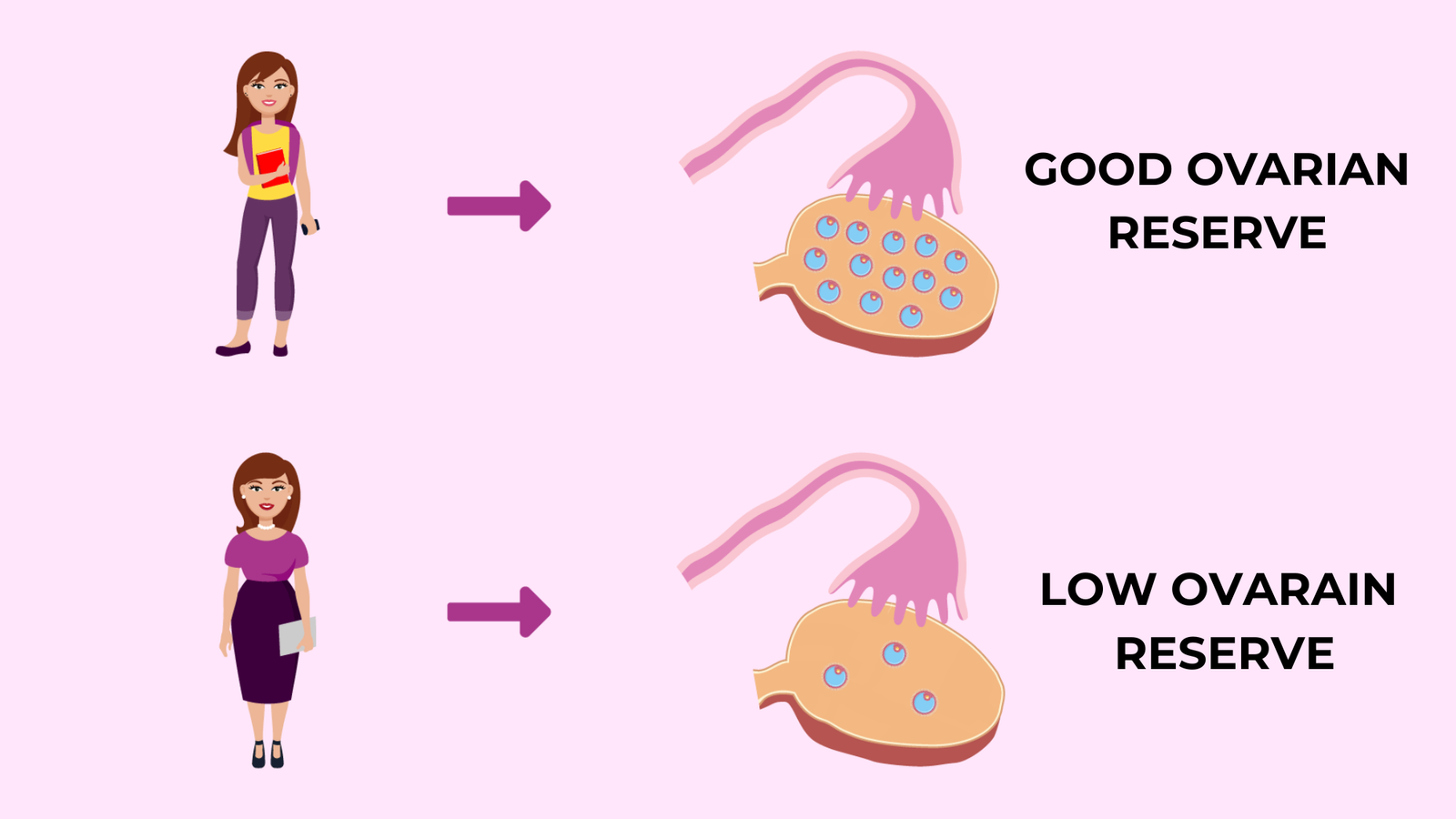
When you hear the term Antral follicle count for the very first time during your infertility evaluation… it may sound very medical, very scientific and very complicated. But in reality, this is one of the most important tests that decides how your IVF cycle will be planned, what your IVF results may look like, how your doctor will select the medication protocol, and how fast you should move towards your IVF decision.
At Origyn IVF, this test plays a very crucial role in understanding the true baseline of a woman’s ovarian reserve before stepping into IVF treatment.
This blog will help you deeply understand antral follicle count, based on real medical explanation, in simple language, using the actual clinical understanding doctors share with their patients. This is written to make you clearly understand why doctors ask for transvaginal ultrasound on day 2 or day 3 of your period and why AFC becomes the backbone of IVF planning.

What is Antral Follicle Count and Why It Matters in IVF?
Antral follicle count is the number of tiny fluid filled sacs known as antral follicles — inside each ovary. These tiny follicles are usually between 2 mm to 10 mm in size and contain immature eggs. When these follicles are counted on ultrasound on day 2 or day 3 of your menstrual cycle, it gives doctors a very accurate estimate of how many eggs your ovaries may produce when stimulation injections are given.
This is the baseline fertility testing step and this simple number prediction is extremely powerful because it tells us:
- How strong your ovarian reserve is?
- How aggressively or mildly stimulation should be done?
- How fast you should move ahead?
- How realistic the IVF outcome expectations need to be?
At Origyn IVF, antral follicle count is one of the first steps done to map out your complete IVF roadmap.
This test is usually done via transvaginal ultrasound (TVS), where a vaginal ultrasound probe is gently inserted inside the vagina. This is safe, painless and gives a very accurate picture of both ovaries and uterus.
Why is AFC Done On Day 2 or Day 3?
Doctors suggest you should get your antral follicle count on your 2nd or 3rd day of periods because during this time, the follicles are still in their baseline resting stage. They have not started stimulation yet. So the count visible at this phase is extremely accurate and reliable.
This baseline count is called the baseline antral follicles. These are the number of small recruitable follicles available at the start of every new cycle.
How Does AFC Show Ovarian Reserve?
The Antral follicle count is literally the visual representation of ovarian reserve.
If there are many follicles, it means there are many potential eggs. If there are very few follicles, it means there are very few eggs left.
Example:
AFC helps doctors create a realistic and personalized treatment path, because antral follicle count directly reflects the egg quantity and availability inside the ovaries.
| Woman | AFC Count | Type |
|---|---|---|
| A | 5 follicles each ovary | Mild stimulation needed |
| B | 18 follicles each ovary | PCOS — soft stimulation needed |
| C | 1 follicle each ovary | Fast decision + aggressive approach needed |
AFC helps doctors create a realistic and personalized treatment path, because antral follicle count directly reflects the egg quantity and availability inside the ovaries.
AFC and AMH: The Two Most Important Measurements Together
Both AFC (Antral Follicle Count) and AMH (Anti-Müllerian Hormone) are considered the two strongest indicators of ovarian reserve. When used together, they give the most accurate prediction of how a woman will respond to ovarian stimulation during IVF and what her realistic egg yield potential looks like.
These two tests complement each other means AFC is ultrasound based and AMH is blood-test based and together they help doctors at Origyn IVF choose the right treatment protocol, decide the correct dosage of injections, and make timely decisions without delay.
| Parameter | AFC (Antral Follicle Count) |
|---|---|
| What it shows | Number of visible small resting follicles (2–10mm) inside the ovaries |
| How it is done | Transvaginal ultrasound on Day 2 or Day 3 of menstrual cycle |
| Meaning | Higher AFC = more eggs available, Lower AFC = limited egg reserve |
| Parameter | AMH (Anti-Müllerian Hormone) |
|---|---|
| What it shows | Hormonal marker that reflects total ovarian reserve inside the body |
| How it is done | Simple blood test, can be done on any day of menstrual cycle |
| Meaning | Higher AMH = better reserve, Lower AMH = reduced reserve |
So AMH + AFC= best ovarian reserve interpretation.
What Does Low AFC Mean?
Low AFC means the ovary has very few follicles (maybe 1 or 2). This means fewer eggs are available. The patient should not delay planning pregnancy or IVF because eggs keep decreasing with age.
This is why doctors insist that when antral follicle count is low & AMH is low — fast and timely action is extremely important.
Women with low AFC usually benefit from early IVF planning because waiting reduces chances further.
What Does High AFC Mean?
High AFC means there are many follicles which are usually seen in PCOS patients. Such patients are at risk of producing too many eggs and therefore need very precise stimulation.
But it also means many eggs can be available for IVF retrieval, which is a positive thing if properly handled with correct protocols.
This is why clinics like Origyn IVF use individualized stimulation planning.
Why AFC is Called “The Secret Behind IVF Success Planning”
If we had to simplify the entire thing in one simple sentence, antral follicle count is the number that guides a fertility specialist to choose the most accurate IVF protocol for every individual woman.
This is because AFC is not just a number. It is a predictive parameter that reflects how the ovary may react when stimulation begins and how much response we can expect. When a doctor knows your AFC, they can decide the strength of stimulation injections, the protocol type, the correct medication dose and the level of monitoring required throughout the IVF cycle.
AFC becomes the base layer that shapes the entire planning of the treatment journey. It enables physicians to establish realistic hopes prior to an IVF cycle, as well as an opportunity to mitigate over or under stimulation while still present all in the name of safety, personalization, and maximize the potential given the egg reserve.
Some of the important IVF possibilities that AFC helps estimate are:
- Expected ovarian response
- Approximate number of eggs that can be matured and retrieved
- Potential number of embryos that can be formed
- Success possibilities based on egg availability and reserve strength
Without this initial count, IVF planning becomes guesswork and results can become unpredictable. This is why Origyn IVF believes in personalised protocols and considers AFC as the primary foundation that guides smart, safe and customised IVF planning for every patient.
How to Improve AFC Naturally?
This is a very common question asked by patients and it is important to understand this honestly. Antral follicle count cannot drastically increase because AFC represents your current ovarian reserve. However, certain lifestyle changes can help protect ovarian health and support better egg quality. Even if the number of follicles cannot be increased significantly, improving the quality of eggs can positively influence IVF outcomes.
Some lifestyle factors that support healthy eggs include:
- Anti-inflammatory diet
- Vitamin D sufficiency
- Low stress level
- Healthy sleep routine
- Avoid smoking
- Avoid extreme or crash dieting
- Maintain healthy and stable body weight
These steps are extremely important because, while AFC tells us the quantity of potential eggs, lifestyle choices play a major role in maintaining and improving egg quality and quality is equally, if not more, important in IVF success.
AFC Also Helps Decide When NOT To Wait
If a woman has low AFC, the biggest mistake is delaying treatment for months thinking things will improve on their own.
Ovarian reserve continues declining with time. AFC tells you to act faster when needed.
For women over 35- Antral follicle count often becomes the fastest signal to freeze eggs early or proceed with IVF without delay. Doctors do not want patients to lose their fertility window.
This is why AFC is also recommended in women who:
- Are planning pregnancy later
- Have family history of early menopause
- Have undergone chemotherapy
- Have multiple failed IUI cycles
Conclusion
Antral follicle count is one of the most underrated but most powerful fertility assessment tools you must understand before IVF. It gives a real picture of how many eggs your ovaries can produce, how your IVF protocol should be designed, how fast you need to move towards treatment, and what your realistic outcome probabilities may be. Origyn IVF evaluates AFC in every infertility patient because it directly shapes the quality, efficiency and personalization of IVF success planning.
Your ovarian reserve is limited. But with AFC based planning, you can use the remaining reserve very wisely, strategically and with maximum benefit.
For more IVF education content, treatment clarity and real medical explainers, follow Origyn IVF on YouTube (you should always stay updated, because knowledge empowers decision making before IVF).
Frequently Asked Questions
- Is Antral follicle count painful?
No. Antral follicle count is measured through a transvaginal ultrasound, which is not painful. Some women may feel slight discomfort due to the probe insertion, but it is very quick, safe, and extremely gentle. This ultrasound gives the most accurate visual picture of the ovaries.
- What is considered a low Antral follicle count?
If the antral follicle count shows around 1–3 follicles in each ovary, it is considered low. This means poor ovarian reserve and your doctor may advise faster action towards IVF or egg freezing because delaying may further reduce chances over time.
- What is the average Antral follicle count range?
The average figure for Antral follicle count is usually in the range of 5-6 follicles per ovary, which reflect a normal ovarian reserve and decent possibility of ovarian response to stimulation for IVF treatment.
- Can lifestyle changes improve Antral follicle count?
So, lifestyle changes cannot increase the AFC, however, habits that encourage healthy diet, good sleep, managing stress, taking proper supplements and no smoking could all help improve egg quality.
- Is AFC more important than AMH?
Both are important. AMH is a blood test and AFC is a scan-based test. When combined, they give the most accurate ovarian reserve picture, helping doctors customize IVF protocols and plan the right stimulation dose effectively.

Recent Comments