
Egg Donor
Home / Egg Donor
Donor Egg IVF Program
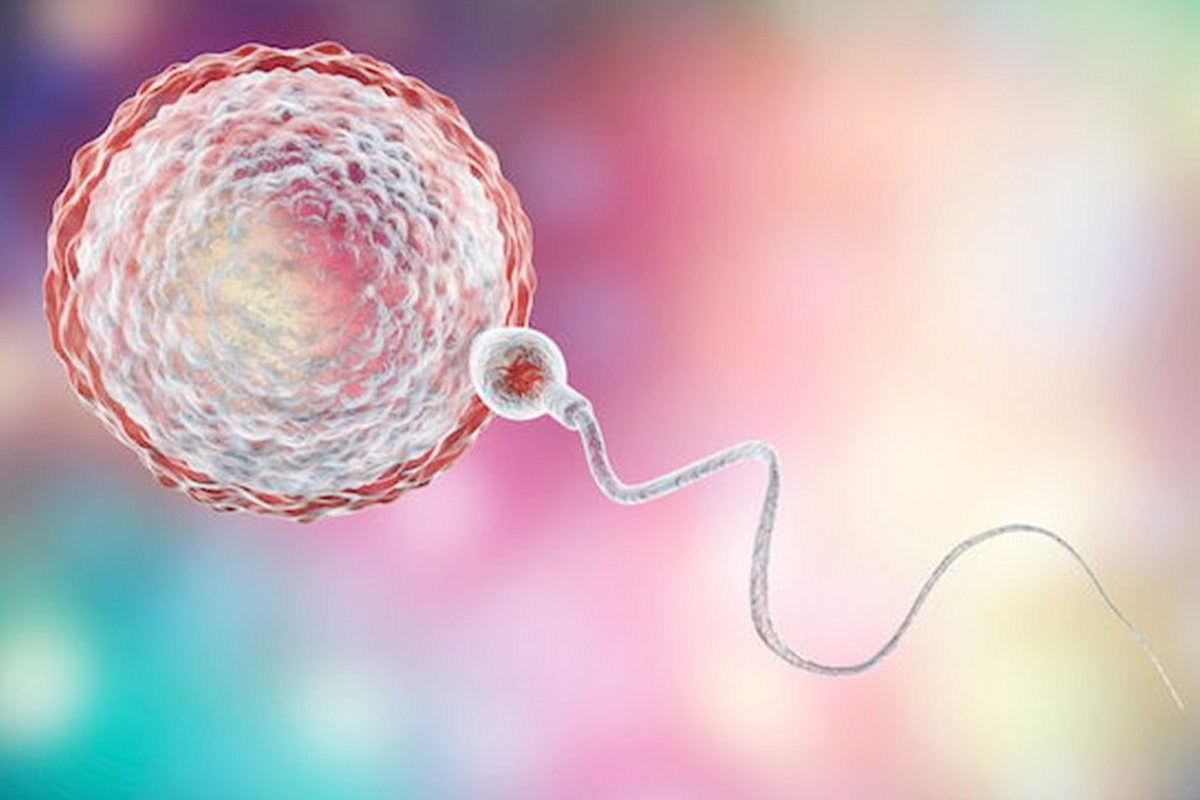
Egg donation offers hope to women who are unable to conceive using their own eggs.It allows a woman with healthy ovarian reserves to provide eggs to individuals with low or no egg reserve due to age or other factors. At Origyn Fertility & IVF Centre, our egg donation program is ethical, transparent, and fully compliant with the ART (Regulation) Act, 2021. We work exclusively with registered ART banks, ensuring that all donors are carefully screened and counseled as per national guidelines. Our centre prioritizes safety, quality, confidentiality of both donor and recipient at every step.
Who Require Egg Donation?
Egg donation may be recommended for women who have no ovaries, very low egg quality due to age or unexplained reasons, a history of repeated IVF failures, premature ovarian failure (menopause before 40), or a genetic condition that could be passed to the child.
Personalized Care for Every Patient
We provide individualized care,
tailoring each treatment plan to meet the unique needs of every patient.
Compassionate Solutions Tailored
Our compassionate approach ensures
patients receive holistic support at every step of their journey.

How we Choose Suitable Donor for the Couple
Donors are routed through ART bank, chosen by consultant who are under 35 years of age with proven fertility, closely matching the intended mother’s appearance and blood group. Evaluation includes medical history and examination, basic investigations along with ultrasound (AFC), AMH and Thalassemia testing. Psychological counseling is done wherever required. All treatments are conducted at our center. Egg donation is anonymous, and patients receive detailed donor profiles without revealing identity. IVF success with donor eggs is high (60–70%).