
Hysteroscopy
Home / Services / Hysteroscopy
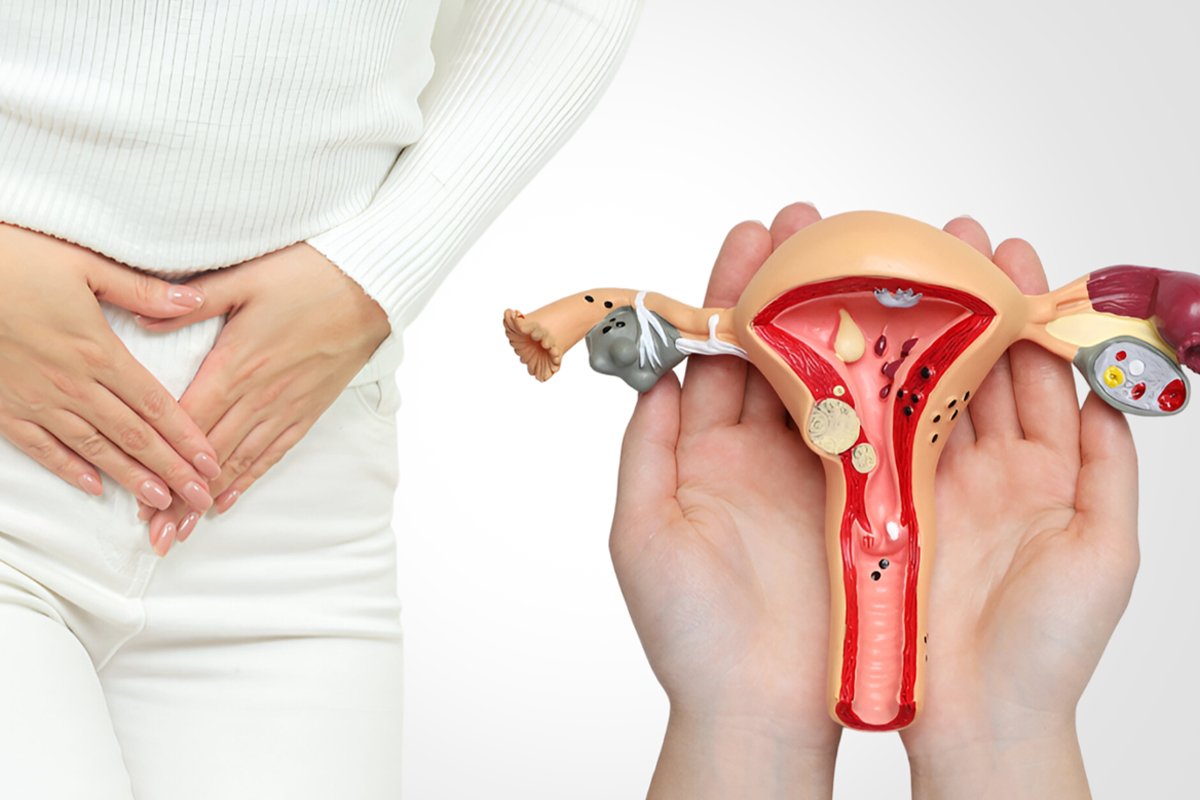
The health of the uterus plays an important role in conception and pregnancy when it comes to fertility. Sometimes, hidden problems inside the uterus can cause infertility, repeated miscarriages, or failed IVF attempts. To diagnose and treat these issues, doctors often recommend a procedure called hysteroscopy.
What is Hysteroscopy?
Hysteroscopy is a simple procedure that allows your doctor to look inside your uterus using a thin, lighted tube called a hysteroscope. This tube is gently passed through the vagina and cervix into the uterus. Unlike open surgery, hysteroscopy is minimally invasive and usually doesn’t require cuts or stitches. It can be used for both:
- Diagnostic hysteroscopy: To find out the cause of infertility, irregular bleeding, or miscarriages.
- Operative hysteroscopy: To treat problems detected inside the uterus.
Why is Hysteroscopy Done?
Your fertility specialist may recommend hysteroscopy if you have the following things:
- Unexplained infertility or repeated IVF failures.
- Abnormal bleeding (too heavy, irregular, or after menopause).
- Suspected fibroids, polyps, or scar tissue inside the uterus.
- Repeated miscarriages without a clear cause.
- Need for removal of intrauterine devices (IUDs).
Personalized Care for Every Patient
We provide individualized care,
tailoring each treatment plan to meet the unique needs of every patient.
Compassionate Solutions Tailored
Our compassionate approach ensures
patients receive holistic support at every step of their journey.


Our Centers Across the Region
“With locations across the region, centers are dedicated to serving local communities
with excellence, accessibility & care—wherever you are.”
How is the Procedure Performed?
Hysteroscopy is usually performed as a day-care procedure, meaning you can go home the same day.
- You may receive local or general anesthesia, depending on the type of hysteroscopy.
- A hysteroscope (thin telescope-like instrument) is gently inserted into the uterus through the vagina.
- Saline or other agents may be used to expand the uterus for a clearer view.
- The doctor examines the uterine lining and, if required, removes fibroids, polyps, or scar tissue.
Preparing for Hysteroscopy
Before the procedure, your doctor may recommend:
- Blood tests and ultrasound.
- Avoiding food or drink for a few hours if anesthesia is needed.
- Scheduling the procedure just after your period, when the uterine lining is thin and visibility is best.
The Final Word
Hysteroscopy is a safe and effective way to diagnose and treat uterine problems that affects fertility. By identifying hidden issues and correcting them, it can improve your chances of a successful pregnancy.
At Origyn IVF, our fertility experts led by Dr. Rashmi Sharma use advanced hysteroscopy techniques to ensure accurate diagnosis and compassionate treatment.
Book your appointment today and take the next step toward your dream of parenthood.
Call us at 8080809084 or Email at info@origynivf.com.